
Ethical recruitment and workforce preparation for international workers

Ethical Recruitment: Why It Matters for Employers and Workers

International recruitment has become an essential workforce strategy for many industries. From hospitality and automotive services to skilled trades and technical roles, businesses around the world rely on international talent to help meet labour demands. But with global recruitment comes an important responsibility. Employers must ensure that ethical recruitment practices are transparent, compliant, and fair for both workers and businesses. When recruitment is handled responsibly, it benefits both employers and workers. When it is not, it can create risks for everyone involved. 

The Growing Importance of Ethical Recruitment 

As labour shortages continue across many industries, ethical recruitment and international hiring are increasing. 

Businesses often recruit internationally to fill roles such as: 

  • Welders, pipefitters, and mechanical fitters
  • Technicians, mechanics, and maintenance specialists
  • Engineers, supervisors, and technical professionals
  • Hospitality workers including chefs and service staff 

These roles are essential to keeping industries operating smoothly. However, international recruitment must be managed carefully to ensure workers are treated fairly and employers receive qualified candidates who are ready to contribute to the workplace. According to the International Labour Organization (ILO), ethical recruitment plays an importnat role in protecting wokers and promoting fair labour practices globally. 

What Fair Recruitment Looks Like 

Ethical recruitment focuses on protecting both workers and employers. It ensures that candidates are properly informed about their roles, treated fairly during the recruitment process, and prepared for the workplaces they will join. Some of the key elements of ethical hiring include: 

Transparent hiring practices 

Workers should understand the role, working conditions, and expectations before accepting employment. 

No worker-paid recruitment fees 

Charging recruitment fees to workers can lead to financial hardship and exploitation. Ethical recruitment models avoid this practice. 

Compliance with labour regulations 

Recruitment processes must align with host-country labour laws and international labour standards. 

Proper candidate preparation 

Candidates should be screened, assessed, and prepared before deployment to ensure they are ready for their roles. 

Ethical Recruitment and the Employer-Pays Model 

One of the most important principles in ethical recruitment is the employer-pays model. Under this approach, recruitment costs are covered by employers rather than workers. This ensures that candidates are not burdened with placement fees or financial obligations before starting their jobs. 

Macati Recruitment follows a strict employer-pays recruitment policy as part of its commitment to ethical hiring practices. 

This policy helps ensure workers are treated fairly while providing employers with a transparent recruitment process. 

Why Responsible Hiring Benefits Employers 

While ethical fair hiring practices protects workers, it also offers significant benefits for employers. 

When workers are properly screened and prepared before deployment, businesses often experience: 

  • Higher workforce reliability
  • Faster workplace integration
  • Lower turnover rates
  • Improved compliance with labour regulations 

Employers gain confidence that the workers joining their teams are qualified, prepared, and recruited through compliant processes. 

The Role of Workforce Preparation 

Another important aspect of transparent recruitment is workforce readiness. Successful international placements require more than simply matching candidates with employers. 

Preparation typically involves: 

  • Experience verification and candidate screening
  • Skills validation or trade testing
  • Documentation and compliance checks
  • Training and workplace readiness programs 

These processes help ensure candidates meet employer expectations and regulatory requirements before deployment. 

Building Trust in Global Recruitment 

As international recruitment continues to grow, trust between employers, workers, and recruitment partners becomes increasingly important. Employers want assurance that recruitment processes are compliant and transparent. Workers want to know if they are entering fair and legitimate employment opportunities. By focusing on ethical recruitment practices and structured workforce preparation, recruitment providers can help build that trust while supporting sustainable workforce mobility. 

Learn more about how Macati Recruitment supports ethical international hiring.

Frequently Asked Questions About Ethical Recruitment

1. What is ethical recruitment?

Ethical recruitment refers to hiring practices that protect workers from exploitation and ensure employers receive qualified candidates through transparent and compliant processes.

2. What does the employer-pays recruitment model mean? 

The employer-pays model means employers cover recruitment costs rather than workers being charged placement fees. This helps ensure fair and ethical hiring practices.

3. Why is ethical recruitment important for employers?

Ethical recruitment reduces compliance risks, improves workforce reliability, and helps ensure workers are properly prepared for their roles.

4. How does Macati Recruitment ensure ethical hiring?

Macati Recruitment follows an employer-pays policy, works with licensed partners, and conducts structured candidate screening, skills validation, ethical recruitment and workforce readiness preparation before deployment.

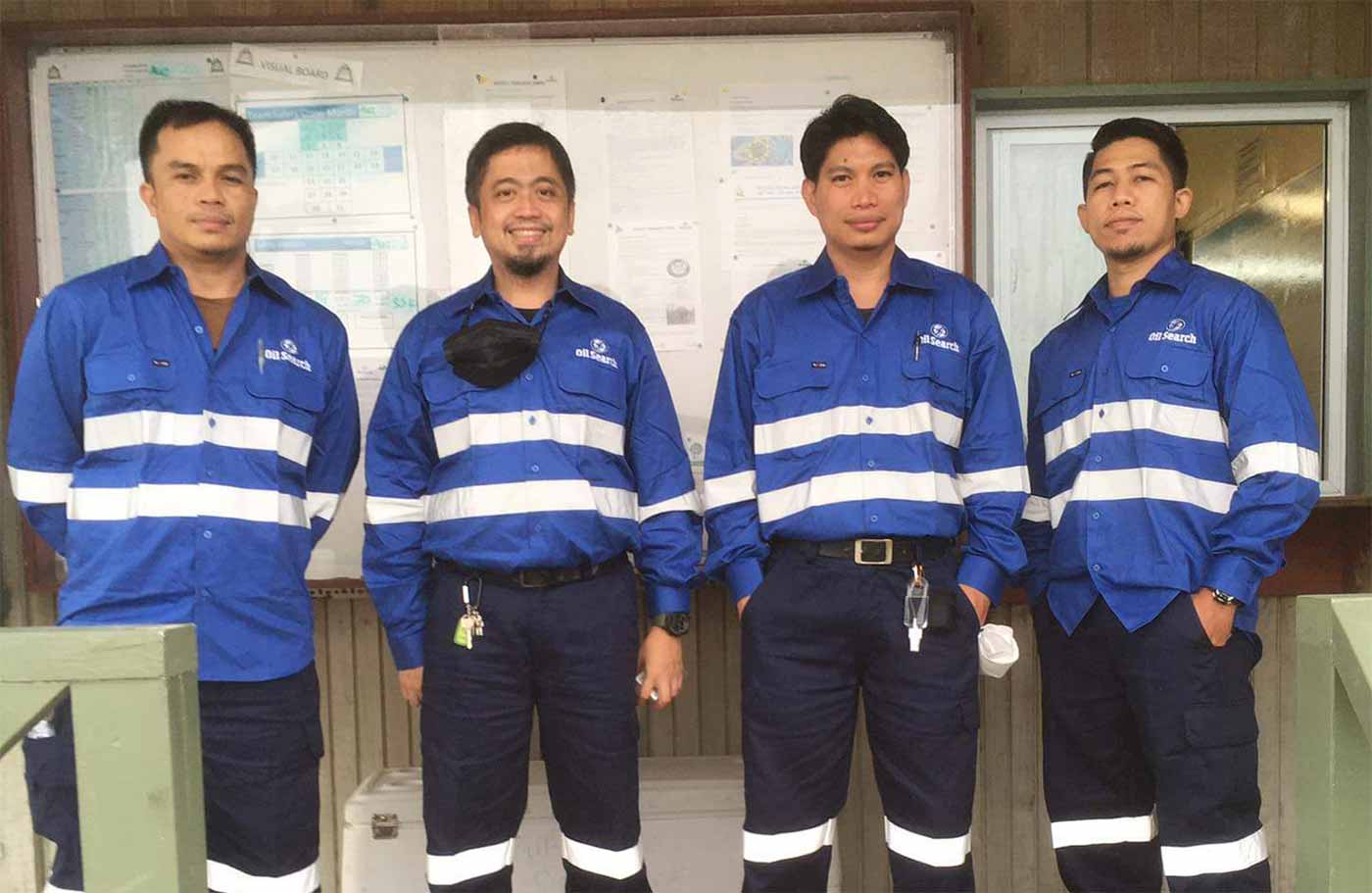
Filipino international workers supporting global industries and skilled workforce sectors

The People Behind Global Industries: Why Skilled International Workers Matter More Than Ever 

Every year on International Workers’ Day, businesses around the world take a moment to recognise the people who keep industries running. From construction sites and workshops to restaurants, hotels, and technical operations, skilled workers play a critical role in keeping businesses moving forward. Yet across many industries today, employers are facing a common challenge. Finding enough skilled workers to meet demand is becoming increasingly difficult. Labour shortages are affecting everything from hospitality operations to large infrastructure projects. For many companies, building a stable workforce has become one of the most important priorities for long-term growth. 

The Global Workforce: A Pillar of Industry 

Many industries are experiencing growing demand for experienced professionals. Roles such as mechanics, welders, technicians, engineers, chefs, and hospitality staff are essential to daily operations across many sectors. 

At the same time, several workforce trends are reshaping labour markets: 

  • Experienced workers retiring from the workforce
  • Fewer new workers entering skilled trades
  • Growing infrastructure and service industry demand
  • Increased competition for qualified professionals 

These factors are creating significant workforce gaps in many countries. According to the International Labour Organization (ILO), labour shortages continue to affect industries worldwide. As a result, businesses are increasingly turning to international recruitment to support their workforce needs. 

The Contribution of International Workers 

International workers have long supported industries around the world. In sectors such as hospitality, construction, manufacturing, and technical services, migrant workers often play an important role in helping businesses maintain operations and deliver services. The Philippines, in particular, has become a major source of skilled professionals across multiple industries. Filipino workers are widely recognised for their technical skills, strong work ethic, and ability to adapt to international work environments. 

Across many countries, Filipino professionals contribute to roles such as: 

Skilled trades and technical positions 

Welders, pipefitters, mechanical fitters, diesel mechanics, and maintenance technicians are commonly deployed to support industrial operations and infrastructure projects. 

Professional and technical roles 

Engineers, planners, QA/QC inspectors, and supervisors provide technical support across engineering and operational environments. 

Hospitality and service roles 

Hotels, restaurants, cruise operators, and tourism businesses often recruit chefs, housekeeping staff, hospitality supervisors, and customer-facing professionals. 

Automotive and manufacturing roles 

Mechanics, auto electricians, technicians, and workshop support staff are essential for vehicle servicing and manufacturing operations. These workers bring valuable skills and experience that support industries around the world. 

The Importance of Ethical Recruitment 

While international recruitment provides opportunities for both employers and workers, it is important that the process is handled ethically and responsibly. Ethical recruitment ensures that workers are treated fairly and that employers receive properly screened and prepared candidates. Macati Recruitment follows an employer-pays recruitment policy, which means candidates are not charged recruitment fees. This approach helps protect workers and promotes fair hiring practices. The organisation also works with licensed partners, training institutions, and assessment centres to ensure candidates are properly assessed and prepared before deployment. 

Preparing Workers for Success 

Successful international recruitment requires more than simply filling a position. Workers need to be properly prepared for their roles and the environments they will be working in. 

Preparation may include: 

  • Candidate screening and experience verification
  • Skills validation and trade testing
  • Documentation and regulatory compliance checks
  • Workforce readiness training 

These steps help ensure candidates are ready to integrate into employer operations and contribute effectively from the start. 

Recognising the People Who Power Global Industries 

International Workers’ Day is an opportunity to recognise the contributions of workers who support industries around the world. From skilled trades and technical professionals to hospitality and service teams, these individuals play a vital role in keeping businesses operating and communities served. As workforce needs continue to evolve, international recruitment will remain an important pathway for connecting skilled professionals with opportunities across the global economy. 

Learn more about how Macati Recruitment supports employers worldwide.

Frequently Asked Questions About International Recruitment

1. What industries does Macati Recruitment support?

Macati Recruitment works with employers across industries including skilled trades, technical professions, hospitality, automotive services, and other operational sectors requiring experienced workers.

2. What types of roles are commonly recruited internationally?

Common roles include welders, mechanics, technicians, engineers, supervisors, chefs, hospitality staff, and customer service professionals.

3. What does the employer-pays recruitment policy mean? 

The employer-pays policy means that workers are not charged recruitment or placement fees. Employers cover recruitment costs, ensuring ethical and transparent hiring practices.

4. How are workers prepared for international employment?

Candidates go through screening, skills validation, and workforce readiness preparation before deployment to ensure they meet employer and regulatory requirements.

International recruitment support for unfilled skilled worker roles

Many businesses start the year expecting hiring to improve. But halfway through the year, some employers begin noticing the same pattern. Roles remain open longer than expected, workloads increase for existing staff, and recruitment becomes more difficult than it used to be, leading many businesses to explore international recruitment support solutions. For industries that rely on skilled labour, this situation can quickly impact productivity and service quality.

In recent years, many organisations have started expanding their international recruitment strategies to address these challenges. As a result, global hiring has become the difference between struggling to maintain operations and having a reliable workforce pipeline. Here are five common signs that your business may benefit from overseas recruitment support.

1. Skilled Roles Stay Open for Months

International recruitment support for unfilled skilled worker rolesOne of the clearest indicators is when positions remain unfilled for extended periods. This is especially common in roles such as welders, mechanics, technicians, chefs, hospitality staff, and other skilled trades. In many cases, employers often advertise repeatedly, only to receive a small number of qualified applicants. When hiring timelines stretch beyond several months, businesses begin to feel the operational impact. International recruitment can expand the candidate pool significantly, allowing employers to access skilled professionals who may not be available locally.

2. Your Existing Team Is Carrying Too Much Work

Workforce shortages causing increased workload for existing staff


When businesses cannot fill roles quickly, existing staff often take on additional responsibilities. Over time, this can lead to fatigue, lower morale, and reduced productivity.

For example:

  • Workshops may delay service schedules due to limited technicians
  • Hospitality teams may operate with reduced staff during busy periods
  • Maintenance teams may struggle to keep up with operational demands

A stable workforce helps prevent burnout and keeps operations running smoothly.

3. You’re Turning Down Work or Delaying Projects

Project delays and labour shortages affecting business operations

For many industries, labour shortages eventually begin affecting revenue. As a result, construction companies may delay project timelines. Hospitality venues may reduce service capacity, while workshops may limit bookings due to staff shortages. These situations can be frustrating for employers who have demand for their services but lack the workforce to support it. Accessing a wider talent pool through international hiring support can help businesses scale their workforce more effectively.

International hiring has become an increasingly important workforce strategy for businesses facing ongoing labour shortages.

4. Your Industry Is Facing Long-Term Skill Shortages

Long-term skilled labour shortages across multiple industries


Many sectors are experiencing structural labour shortages. Skilled trades, hospitality, automotive services, and technical professions are all seeing increasing demand for experienced workers. At the same time, many experienced professionals are approaching retirement while fewer new workers are entering these fields. Because of this, long-term workforce gaps have emerged across many countries. Expanding recruitment beyond local markets allows businesses to access professionals who are already trained and ready to contribute.

5. Why Businesses Use International Recruitment Support

International recruitment support helping businesses build reliable workforces

For many businesses, international recruitment becomes part of a more stable long-term workforce strategy. Rather than relying solely on local hiring, employers build recruitment pipelines that include both domestic and international talent. This approach helps organisations maintain workforce stability even when labour markets fluctuate.

How Macati Recruitment Supports Employers

Macati Recruitment works with international employers to source and deploy skilled professionals from the Philippines across several industries.

These include:

  • Skilled trades and technical roles such as welders, mechanical fitters, diesel mechanics, and technicians
  • Professional roles including engineers, supervisors, and technical specialists
  • Hospitality and service roles such as chefs, housekeeping staff, and customer-facing professionals
  • Automotive and manufacturing positions including mechanics and workshop technicians

The company specialises in ethical recruitment and structured candidate preparation to ensure workers are ready for international employment. In addition, this includes screening, skills validation, documentation coordination, and workforce readiness preparation before deployment.

Why International Recruitment Helps Strengthen Your Workforce

Ultimately, international recruitment has become an important part of maintaining workforce stability. By expanding recruitment strategies and accessing a broader talent pool, businesses can continue to grow while ensuring they have the skilled people needed to support operations.

If your organisation is experiencing ongoing hiring challenges, exploring international recruitment solutions may help provide a practical long-term workforce solution. Learn more about how Macati Recruitment supports employers today.

According to the Australian Government Skills Priority List, many industries continue to experience ongoing skilled labour shortages.

Frequently Asked Questions About International Recruitment

What is international recruitment?

International recruitment is the process of hiring skilled workers from overseas to fill workforce shortages and support business operations.

Why are businesses using international recruitment?

Many businesses use international recruitment to access a wider pool of skilled workers, reduce labour shortages, and improve workforce stability.

Which industries benefit from international recruitment?

Industries such as construction, hospitality, manufacturing, engineering, and automotive services commonly benefit from international recruitment.

Across many industries today, one challenge continues to surface in conversations with employers. Finding reliable, skilled workers is becoming harder. Whether it’s a hospitality business needing experienced chefs, a workshop looking for qualified mechanics, or a construction company searching for skilled trades, many businesses are now turning to global recruitment as a practical solution. 

By expanding hiring beyond local markets, companies can access a wider and more diverse talent pool, by helping them fill critical roles faster and keep operations running smoothly. For many employers, the question is no longer if recruitment is difficult. It’s how to build a more reliable workforce pipeline. 

The Growing Challenge of Skilled Worker Shortages  

Skill shortages are no longer limited to specific locations. They’ve become a widespread issue across multiple industries. Sectors such as construction, hospitality, and technical trades are particularly affected. Employers are finding it increasingly difficult to source candidates with the right qualifications and hands-on experience. 

This often leads to: 

  • Delayed projects  
  • Increased operational costs  
  • Added pressure on existing teams  
  • Missed business opportunities 

For many organisations, the challenge isn’t just hiring; it’s maintaining a consistent and reliable workforce.

Why Global Recruitment Is Gaining Traction 

So why are more businesses expanding their hiring strategies internationally? The answer is simple: access and flexibility.

Global recruitment allows employers to tap into a much broader talent pool, including skilled professionals who are ready and willing to work abroad. It’s not just about filling vacancies. It’s about finding the right people with the right skills. 

In many cases, international hiring also brings: 

  • Strong work ethic and adaptability  
  • Diverse experience and perspectives  
  • Long-term workforce stability  

For businesses struggling to meet demand, this approach can make a significant difference. 

Expanding Your Workforce Through Global Recruitment 

Finding skilled workers locally has become more difficult for many businesses, especially in industries experiencing ongoing labour shortages. Because of this, more companies are starting to explore global recruitment to access a wider pool of qualified and experienced workers. Hiring internationally can help businesses fill important roles faster while also bringing in workers with valuable industry experience and specialised skills. 

Many industries such as construction, engineering, hospitality, and manufacturing have already seen the benefits of sourcing talent from overseas. For businesses that continue to face staffing challenges, looking beyond local hiring is becoming a practical and long-term solution rather than just a temporary option. 

Creating a Strong Global Recruitment Process 

Global recruitment works best when businesses have a clear understanding of the type of candidate they need and the skills required for the role. It’s also important to consider compliance requirements, cultural differences, and communication expectations when hiring internationally. Having a structured recruitment process in place can help avoid delays and make the overall hiring experience smoother for both employers and candidates. 

Working with an experienced recruitment partner can also make the process more manageable. Recruitment agencies can assist with sourcing, screening, documentation, and deployment, helping employers connect with qualified candidates more efficiently while reducing the administrative workload involved in international hiring. 

The Benefits of Building a Diverse Workforce 

Hiring internationally does more than solve workforce shortages. Bringing in employees from different backgrounds and experiences can strengthen teams by introducing new ideas, different perspectives, and fresh approaches to problem-solving. A diverse workforce can also improve collaboration and help businesses adapt more effectively in a competitive market. 

While there can be challenges such as language differences, cultural adjustments, and time zone coordination, these are usually manageable with proper onboarding, clear communication, and workplace support. Businesses that invest in creating an inclusive and supportive environment are often able to build stronger teams and achieve better long-term results.

Businesses facing ongoing workforce shortages may benefit from exploring international hiring solutions as part of their long-term strategy. With the right recruitment process and support, global hiring can provide access to skilled, reliable workers across a range of industries.

Learn more about how Macati Recruitment can support your hiring needs and contact our team today.

In today’s global market, companies are increasingly turning to the Philippines to hire skilled workers. The appeal is clear: the country offers a rich talent pool known for hard work, proficiency in English, and adaptability to various work cultures. However, in order to hire Filipino workers directly, there are certain considerations and regulations to keep in mind. Challenges include navigating legal requirements, ensuring a match of skills, and overcoming logistical hurdles. In this article, we’ll address common questions to help you get started smoothly.

Why Companies are Looking at Filipino Workers

The decision to hire from the Philippines is often driven by the need to address skill shortages, diversify teams, and leverage cost-effective solutions without compromising quality. Filipino workers are highly regarded across various sectors such as healthcare, IT, construction, and hospitality for their professional attitude and technical competencies.

Common Challenges When Hiring Overseas Talent

Despite the benefits, employers face challenges such as understanding the legal framework for overseas employment, verifying candidate qualifications, and ensuring a smooth integration into their new environment. These obstacles can seem daunting, leading many companies to seek expert assistance from an offshore recruitment agency like Macati.

Top Questions from Employers

Below, we have answered some of the most important questions we receive from clients when looking to hire Filipino workers directly.

What Legal Processes Must Be Followed?

Navigating the legal landscape is crucial. Employers need to know about visa applications, employment laws, and bilateral agreements between the Philippines and the hiring country. Missteps can lead to delays or compliance issues with the DMW, the Philippine’s Department of Migrant Workers.

How Do We Verify the Workers’ Skills and Qualifications?

Macati ensures the verification of workers’ skills and qualifications through a rigorous assessment process, incorporating both in-house and external technical evaluations. This includes trade skills testing, certifications verification, and, where applicable, English language proficiency exams. We collaborate with accredited training centers and industry experts to conduct practical and theoretical assessments, guaranteeing that candidates meet both the specific skills required for the job and international standards. Macati’s comprehensive vetting process is designed to provide employers with peace of mind, knowing that their future employees possess the necessary skills and qualifications for their roles.

What Is the Best Way to Ensure Cultural and Professional Integration?

The best way to ensure cultural and professional integration is through a tailored onboarding program that emphasizes cultural orientation, ongoing support, and clear communication. When you hire Filipino workers directly with Macati, we help by providing pre-departure briefings that cover cultural expectations, workplace norms, and communication strategies in the destination country. Continuous mentoring and support after deployment facilitate smoother transitions. Encouraging open dialogue between new hires and existing staff also fosters mutual understanding and respect. Macati’s approach is designed to seamlessly blend talent into your team, ensuring a smooth integration process for both the employer and the employee.

How to Handle the Logistics of Deployment?

Handling the logistics of deployment involves coordinating travel, accommodation, and ensuring all legal and documentation processes are completed. Macati takes charge of these complexities by arranging travel, securing suitable accommodation, and managing visa applications and work permits. We ensure all pre-departure requirements are met, including medical examinations and orientation seminars. Our comprehensive support continues upon arrival, assisting with local registrations and acclimatization. By managing these logistical aspects, Macati streamlines the deployment process, making the transition as smooth and stress-free as possible for both employers and the deployed talent.

How much does it cost to hire employees in the Philippines?

The cost of hiring employees in the Philippines varies widely depending on the industry, the level of skill and experience required, and the specific job role. For businesses partnering with a recruitment agency like Macati, there are no placement or processing fees charged to candidates, ensuring fairness and ethical recruitment practices. Employers typically cover the recruitment service fee, which is negotiated upfront. Additionally, the cost will include the employee’s salary, which is competitive yet often more cost-effective compared to local hires in countries like Australia, the USA, and the UK. Macati works closely with clients to provide transparent cost breakdowns and ensure the recruitment process is both efficient and cost-effective.

What Support Does Macati Offer After Deployment?

Macati remains committed to both our clients and the deployed talent beyond the initial placement. We offer ongoing support to ensure smooth transitions and address any challenges that arise. This includes regular check-ins, assistance with any workplace issues, and additional training if needed. Our aim is to ensure sustained success and satisfaction for both employers and employees, fostering long-term relationships.

How Do We Address Language Barriers?

While Filipino workers are known for their English proficiency, Macati takes additional steps to ensure effective communication. This includes English language training tailored to the specific needs of the job and the industry, as well as cultural communication workshops. We prioritize clear and effective communication to ensure seamless integration into diverse work environments.

Can Macati Help With Specific Industry Requirements?

Yes, Macati specializes in recruiting talent across a variety of industries, understanding the unique requirements and challenges of each. We align our recruitment process with industry standards and certifications. Our extensive network allows us to source candidates who not only meet but exceed the specific needs. Industries we recruit for include:

What Guarantees Does Macati Offer Employers?

Macati stands behind the quality of our recruitment process with guarantees that include candidate replacement in the unlikely event of a skill mismatch or performance issues within a specified period. We are dedicated to ensuring that our clients receive the highest level of satisfaction and service.

How Can Employers Be Involved in the Recruitment Process?

We encourage active employer involvement throughout the recruitment process, from defining job specifications to selecting candidates and conducting final interviews. Macati offers a collaborative approach, providing expert guidance while respecting the preferences and requirements of our clients. This partnership ensures the best possible match between talent and employer needs.

Hire Filipino Workers Directly – How Macati Can Help

Macati specializes in bridging these gaps, providing comprehensive solutions tailored to your hiring needs. Here’s how we can assist:

  • Legal Expertise: We guide you through the legal requirements for hiring Filipino workers directly, ensuring full compliance with both Philippine and host country laws.
  • Skills Assessment and Verification: Our rigorous trade skills testing and qualification verification process guarantee that you hire workers who meet your exact standards.
  • Cultural and Professional Integration: Macati offers pre-deployment orientation and ongoing support to ensure workers smoothly transition into their new roles and cultural settings.
  • Streamlined Deployment Process: From coordinating travel to arranging accommodations, we handle the logistics of deployment, making the process as seamless as possible for both employers and employees.

At Macati, we’re not just about recruitment; we’re about creating lasting partnerships between global companies and top-tier Filipino talent. By choosing Macati, you’re opting for a hassle-free, ethical, and efficient recruitment experience that addresses all facets of overseas employment.

Ready to Scale Your Teams with Filipino Talent?

Navigating the process of hiring skilled Filipino workers directly can be complex, but with Macati’s expertise, it doesn’t have to be. Contact us today to learn how we can help you expand your team with skilled Filipino workers, ensuring a smooth, compliant, and successful hiring journey.

In the modern business landscape, the distinction between global recruitment for local employment and outsourcing remote workers is often blurred. At Macati, we specialise in the former, helping companies in Australia, New Zealand, UK, USA, Panama, Japan, South Africa, PNG, and beyond, to expand their local teams with highly skilled and qualified candidates from the Philippines. This approach is distinct from outsourcing, and understanding this difference is key to making informed decisions about your workforce strategy. In this article, we’ll explain the differences between the two and why you would choose global recruitment vs. outsourcing.

Understanding the Differences: Global Recruitment vs. Outsourcing

Let’s look at the difference between these two hiring strategies in more detail.

Global Recruitment for Local Employment

Global recruitment for local employment involves hiring international talent to work physically within your local team. This approach is about integrating global expertise into your local workplace, enriching your team with diverse skills and perspectives. It’s an effective strategy for companies experiencing local skill shortages or requiring specialised expertise specific to certain trades or industries.

Outsourcing Remote Workers

Outsourcing, on the other hand, involves hiring individuals or teams to work remotely from different locations, often overseas. While this can be cost-effective and suitable for certain tasks, it does not provide the same level of integration and cultural synergy as local employment.

The Benefits of Hiring from the Philippines for Local Teams

The Philippines, known for its highly educated and skilled workforce, offers a wealth of talent, particularly in sectors like construction, specialised trades, the healthcare sector and professional services. Filipino professionals are renowned for their strong work ethic, technical skills, and adaptability, making them valuable assets to any local team.

Overcoming Skill Shortages through Global Recruitment

Many industries, especially in countries with low populations, like Australia and New Zealand, face the challenge of local skill shortages. This can hinder business growth and project completion. Here, global recruitment becomes a strategic solution.

Five Scenarios Benefiting from Global Recruitment:

  1. Large-scale Construction Projects: For projects requiring specialised skills in areas like structural engineering or sustainable building practices, Filipino professionals can provide the expertise needed to meet complex demands.
  2. Healthcare Facilities Needing Specialised Skills: Medical institutions in need of specialised nurses, technicians, or doctors can find qualified professionals from the Philippines, known for their excellence in healthcare training.
  3. Tech Companies Seeking Niche Expertise: When local talent pools lack specific IT skills like AI development or cybersecurity, turning to the global market can fill these critical gaps.
  4. Hospitality Industry Expansion: Hotels or restaurants expanding in tourist hotspots can benefit from experienced Filipino hospitality staff who are known for their customer service excellence and multi-lingual abilities.
  5. Manufacturing Plants Requiring Skilled Workers: Manufacturing units needing skilled workers for precision tasks can tap into the Filipino workforce for roles like quality control engineers or specialised machinists able operate heavy vehicles and equipment.

These are just a few common examples, however, there are many more scenarios in which hiring offshore employees can greatly benefit a business.

The Value of Diversity in Local Teams

Integrating Filipino professionals into your local team brings a rich diversity of thought, cultural perspectives, and problem-solving approaches. This diversity fosters creativity and innovation, helping your business stay competitive and resilient.

Macati’s Role in Your Global Recruitment Strategy

At Macati, we don’t just connect you with international talent; we ensure that this talent is the right fit for your company’s culture and objectives. Our tailored recruitment strategies consider not just the skill set but also the cultural fit, ensuring a seamless integration into your local team.

Partnering with Macati for Continuous Workforce Development

For HR departments and business owners, partnering with an experienced offshore recruitment agency like Macati means having access to a consistent flow of skilled employees. We provide ongoing support, ensuring long-term success for both the employer and the employee.

The approach of global recruitment vs. outsourcing is a strategic decision. By choosing global recruitment, you’re not just filling positions; you’re enhancing your local team with a diverse pool of talent. Macati, with years of experience and a deep understanding of both local and Philippine markets, stands ready to guide you through this process. If you’re looking to expand your local team with high-quality global talent, schedule a call with us today.

In today’s competitive global marketplace, businesses are increasingly turning to offshore recruitment to access a wider pool of talent. However, the challenge doesn’t end with hiring; it extends to retaining these employees. Employee retention, especially in offshore settings, is crucial for long-term business success. Businesses that overlook retention strategies may face high turnover rates, leading to increased costs and disrupted operations. Conversely, a robust retention strategy not only minimises these costs but also fosters a stable and productive workforce.

The True Impact of Poor Employee Retention

Employee turnover can have a profound impact on a business, large and small. The costs are not just financial – they include the loss of institutional knowledge, lowered morale among remaining staff, and the time and resources spent on recruiting and training new employees. In offshore recruitment, these challenges are compounded by cultural and geographical distances.

Benefits of a Strong Retention Strategy

A good retention strategy leads to a stable workforce, which in turn boosts productivity and morale. Long-term employees develop a deeper understanding of the company’s operations and culture, which can lead to innovative solutions and improved performance. Moreover, high employee retention rates enhance a company’s reputation in the job market, attracting top-tier talent, creating a positive cycle.

10 Practical Tips for Improving Employee Retention

To successfully retain offshore employees, it’s essential to implement strategies that foster their engagement and satisfaction. Here are 10 practical tips for improving employee retention in any industry or trade:

  1. Effective Onboarding and Orientation: Create a comprehensive onboarding process that helps offshore employees integrate into the company’s culture and understand their roles and expectations.
  2. Cultural Sensitivity Training: Provide training that helps your onshore team understand and respect the cultural backgrounds of offshore employees, fostering a more inclusive workplace and cultural integration.
  3. Competitive Compensation and Benefits: Offer competitive salary packages and benefits, including health insurance, retirement plans, and performance bonuses, tailored to the local standards of the offshore location.
  4. Career Development Opportunities: Provide opportunities for professional growth, such as training programs, workshops, and clear career progression paths.
  5. Regular Communication: Establish regular check-ins and feedback loops to ensure offshore employees feel heard and valued.
  6. Recognition and Rewards: Implement a system to recognise and reward employees’ contributions, enhancing job satisfaction and motivation.
  7. Work-Life Balance: Encourage a healthy work-life balance through flexible work arrangements, understanding local customs and holidays.
  8. Employee Engagement Activities: Organise virtual team-building activities to foster camaraderie and connection among global teams.
  9. Supportive Leadership: Ensure that managers and team leaders are supportive and approachable, capable of effectively managing diverse teams.
  10. Feedback and Continuous Improvement: Regularly solicit feedback from employees and make necessary adjustments to improve the working environment and practices.

Implementing these tips demonstrates a commitment to the wellbeing and professional growth of your offshore employees, significantly contributing to improved employee retention and overall business success.

The Role of Employee Retention in Offshore Recruitment

Offshore recruitment, when executed well, can significantly enhance a company’s talent pool. It opens up access to diverse skill sets and new perspectives, which can drive innovation and growth. However, the key to leveraging this advantage is effective retention of your employees. An experienced recruitment agency can assist in selecting the right people for your team, enhancing your chances of retaining these employees.

Frequently Asked Questions About Offshore Recruitment for Local Employment

To provide additional insights into offshore recruitment, we have answered some common questions we receive from business owners and HR managers.

What are the key legal considerations in offshore recruitment for local employment?

Key legal considerations include visa and work permit regulations, compliance with both the home and host country’s labour laws, and ensuring fair labour practices are upheld throughout the recruitment process.

How can businesses support the cultural integration of offshore employees in a new country?

Businesses can offer cultural orientation programs, language training if needed, and mentorship from existing employees to help offshore recruits adapt to their new social and professional environment.

What common challenges do employers face during the onboarding of offshore recruits, and how can they be addressed?

Common challenges include cultural misunderstandings and adapting to different work styles. These can be mitigated through inclusive onboarding practices and open, frequent communication.

How can local teams be prepared to work effectively with offshore employees?

Preparing local teams involves providing cultural sensitivity training, setting clear communication protocols, and fostering an environment of mutual respect and teamwork.

What ongoing support is essential for the success of offshore employees in their new work environment?

Ongoing support includes regular performance feedback, opportunities for professional development, and initiatives to maintain employee engagement and job satisfaction.

In conclusion, effective employee retention in offshore hiring is crucial for the long-term success of any business. By implementing practical strategies and understanding the unique challenges of managing an international team, companies can enjoy the benefits of a stable, productive, and engaged workforce. With Macati’s expertise in offshore recruitment, your business can accelerate growth and thrive in today’s global marketplace.

How Macati Can Help

At Macati, we understand the nuances of offshore recruitment and retention. As leaders in the field, we offer:

  • Tailored Recruitment Strategies: We find candidates who not only fit the required skill set but are also a good cultural fit for your company.
  • Comprehensive Onboarding Support: Our services extend beyond recruitment, ensuring a smooth and welcoming onboarding process for new hires.
  • Continuous Support and Consultation: We provide ongoing support to help navigate the challenges of managing and retaining an offshore workforce.
  • Recruitment with Integrity: At Macati, we treat every offshore hire with kindness and respect, recognising them as integral members of the team, not just numbers Our approach ensures that each individual feels valued and connected to your company’s mission and culture.

If you’re looking to seamlessly integrate global talent into your local team, our experienced professionals are here to offer tailored advice. To explore how we can assist in enhancing your team with skilled offshore talent, schedule a call with us today. Let’s collaborate to create a successful and dynamic workforce tailored to your specific needs.

In an increasingly globalised business world, recruiting talent from overseas offers a wealth of benefits, from accessing diverse skill sets to enhancing cultural richness within your organisation. However, the process comes with its own set of challenges. Understanding and navigating the legal landscape of overseas recruitment with all its intricacies is crucial for any business looking to expand its talent pool internationally. At Macati, we specialise in simplifying the complexities of hiring staff from the Philippines for you.

Understanding International Employment Laws

Every country has its own set of employment laws and regulations, which can significantly differ from your domestic laws. These can cover a range of aspects including work hours, benefits, termination rights, and discrimination laws. Failing to comply with these laws can lead to legal complications and financial penalties.

The laws in Australia, for example, differ from the legal requirements in the Philippines that you as the employer need to meet before employing new talent. Macati can help you navigate the legal needs when hiring overseas staff.

Visa and Work Permits

One of the key legal considerations is obtaining the correct visas and work permits for your international hires. This process can be intricate, with various types of visas and specific requirements for each. It’s important to understand the different categories of work visas, the eligibility criteria, and the application process involved.

Employment Contracts

Drafting a compliant and comprehensive employment contract is another critical step. These contracts should align with the legal requirements of the employee’s home country and your own, covering aspects like salary, benefits, work conditions, and termination clauses.

Drafting a compliant and comprehensive employment contract is a critical step when navigating the legal landscape of overseas recruitment. Macati is here to help.

Drafting a compliant and comprehensive employment contract is a critical step when hiring workers from overseas.

Cultural and Ethical Considerations

Apart from legal compliance, understanding cultural differences and ethical employment practices is vital. This includes fair recruitment practices, respecting cultural sensitivities, and ensuring that overseas workers are not subjected to discrimination or exploitation.

Partnering with the Right Recruitment Agency

Navigating the complex legal terrain of international recruitment can be daunting. This is where partnering with an experienced agency like Macati becomes invaluable. We offer expert guidance on legal compliance, visa processes, and contract management, ensuring a smooth and compliant recruitment process.

Common Questions about the Legal Aspects of Overseas Recruitment

The most common challenges include understanding and adhering to the employment laws of the candidate’s home country, visa and work permit processes, drafting compliant employment contracts, and ensuring ethical recruitment practices.

Macati works closely with legal experts in both the hiring company’s country and the candidate’s home country. We stay updated on the latest legal changes and ensure all recruitment processes, from visa applications to contract drafting, are fully compliant with relevant laws.

Businesses should understand the types of visas available, the specific requirements for each, and the timeframes involved. Each country has its own set of rules and procedures for work permits, which need careful attention to detail.

Cultural differences can influence various aspects of the legal process, including contract negotiations, work ethics, and employment expectations. It’s important to approach these differences with sensitivity and understanding.

Yes, Macati provides assistance in drafting employment contracts that are not only legally compliant in both the employer’s and employee’s jurisdictions but also clear in terms of job roles, expectations, and compensation.

Macati continuously monitors immigration laws and will advise clients of any changes that might affect their recruitment process. We also provide guidance on adjusting strategies to accommodate these changes.

The duration can vary significantly depending on the country and type of visa. Macati provides estimated timelines based on the specific circumstances of each case and works to expedite the process wherever possible.

Macati offers cultural orientation sessions, language support, and ongoing advice to both employers and employees to facilitate smooth cultural integration in the workplace.

Expanding your team internationally is an exciting step towards global growth, but it comes with its share of legal responsibilities. By understanding these challenges and partnering with a knowledgeable recruitment agency, you can successfully navigate the legal landscape of overseas recruitment. Macati is here to guide you through each step, ensuring that your global recruitment efforts are not only successful but also fully compliant with international laws.

In today’s globalised world, small and medium-sized enterprises (SMEs) are increasingly looking beyond their local talent pools to fulfill their recruitment needs. International recruitment opens doors to a world of diverse skills and perspectives, but it also comes with its unique set of challenges. Macati Recruitment, with decades of experience in global talent acquisition, is here to guide you through this journey.

Understanding the Offshore Recruitment Landscape

Why Go Global?
For SMEs, the decision to recruit offshore talent is not just about filling a gap; it’s about bringing in fresh ideas, diverse experiences, and a global mindset. International talent can provide specialised skills that are hard to find locally, multilingual capabilities, and innovative approaches.

The Challenges
However, diving into the world of international recruitment can be daunting. Challenges include navigating different legal frameworks, cultural differences, logistical complexities, and ensuring a smooth relocation and integration process for your new workforce.

Overcoming Legal and Logistical Hurdles

Legal Considerations
Each country has its unique employment laws and visa requirements. It’s crucial to understand these to ensure compliance and avoid legal pitfalls. Partnering with a recruitment agency like Macati can help navigate these

complex legal waters, ensuring that your international hiring is both compliant and ethical.

Logistical Aspects
Relocating employees internationally isn’t just about the legal paperwork. It involves logistical planning like international travel, accommodation, and helping your new hires acclimate to a different country and culture. Effective planning and support are key to a smooth transition.

Cultural Integration

Bridging the Cultural Gap
Cultural differences can impact work styles, communication, and team dynamics. Providing cultural orientation can help your international hires and your existing team to understand and appreciate each other’s backgrounds, fostering a harmonious work environment.

Continuous Support
Support shouldn’t end once the employee arrives. Ongoing assistance with cultural integration, language barriers, and local networking can make a big difference in how quickly and effectively your new hire adjusts.

Leveraging Technology

In the digital age, technology plays a pivotal role in international recruitment. From initial interviews via video conferencing to virtual tours of the workplace, technology can streamline the recruitment process and help candidates get a feel for your company culture before they arrive.

Macati Recruitment: Your Partner in Global Talent Acquisition

At Macati, we understand the intricacies of international recruitment. Our approach is holistic – we’re not just recruiters; we’re your strategic partners. We offer:

  • Expertise in Global Labor Markets: Our extensive experience and knowledge ensure you have access to the best talent worldwide.
  • Compliance and Ethical Recruitment: We navigate the legalities, ensuring a smooth, compliant recruitment process.
  • Cultural Integration Support: We help bridge the cultural gap, ensuring both your team and your new international hires thrive together.

International recruitment is a powerful strategy for SMEs looking to enhance their competitiveness and bring in new skills and perspectives. While it comes with challenges, the right approach and support can turn these into opportunities for growth and innovation.

At Macati Recruitment, we are committed to being your trusted partner in this journey, providing expert guidance and comprehensive support every step of the way. Together, we can unlock the full potential of global talent for your business.