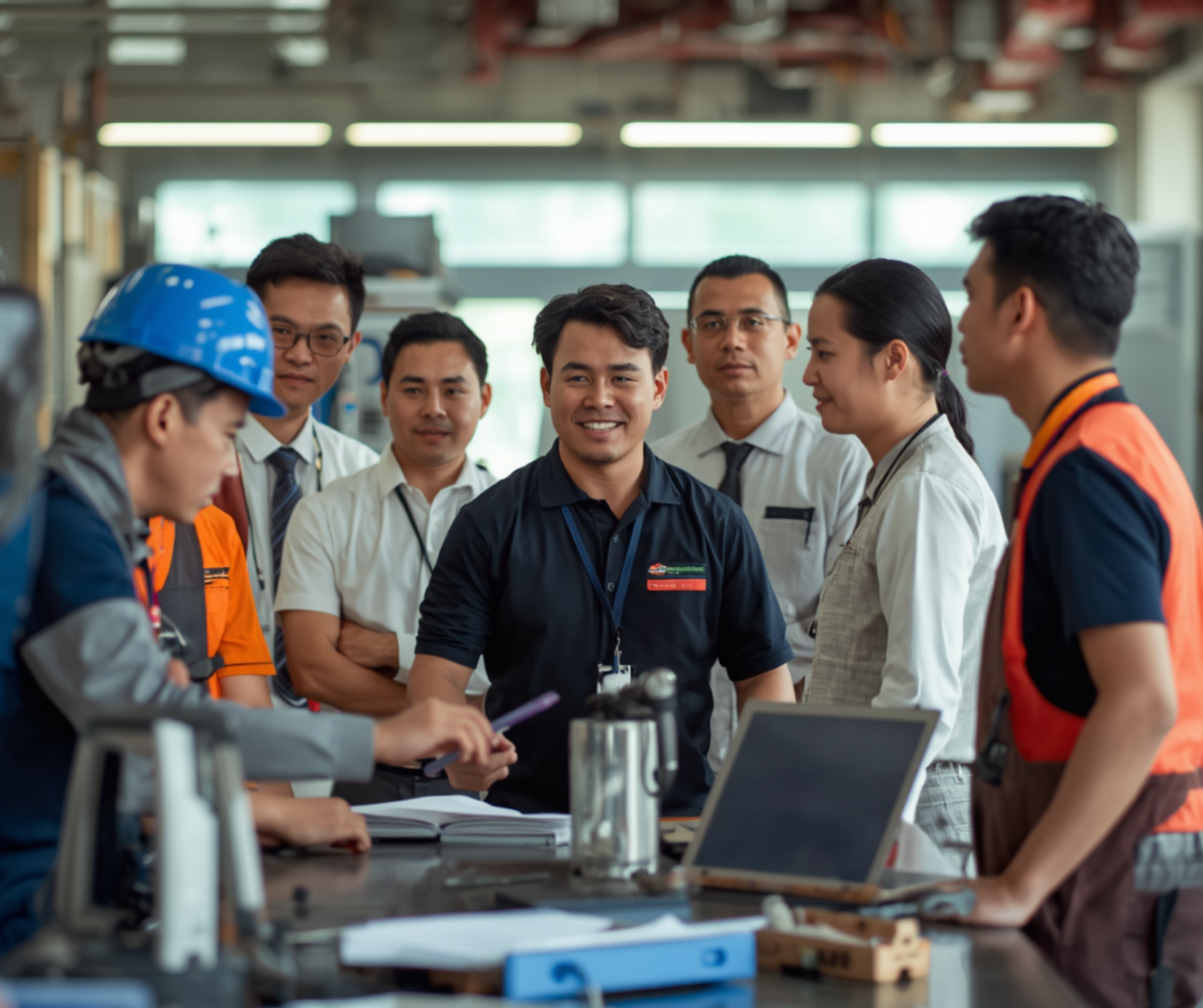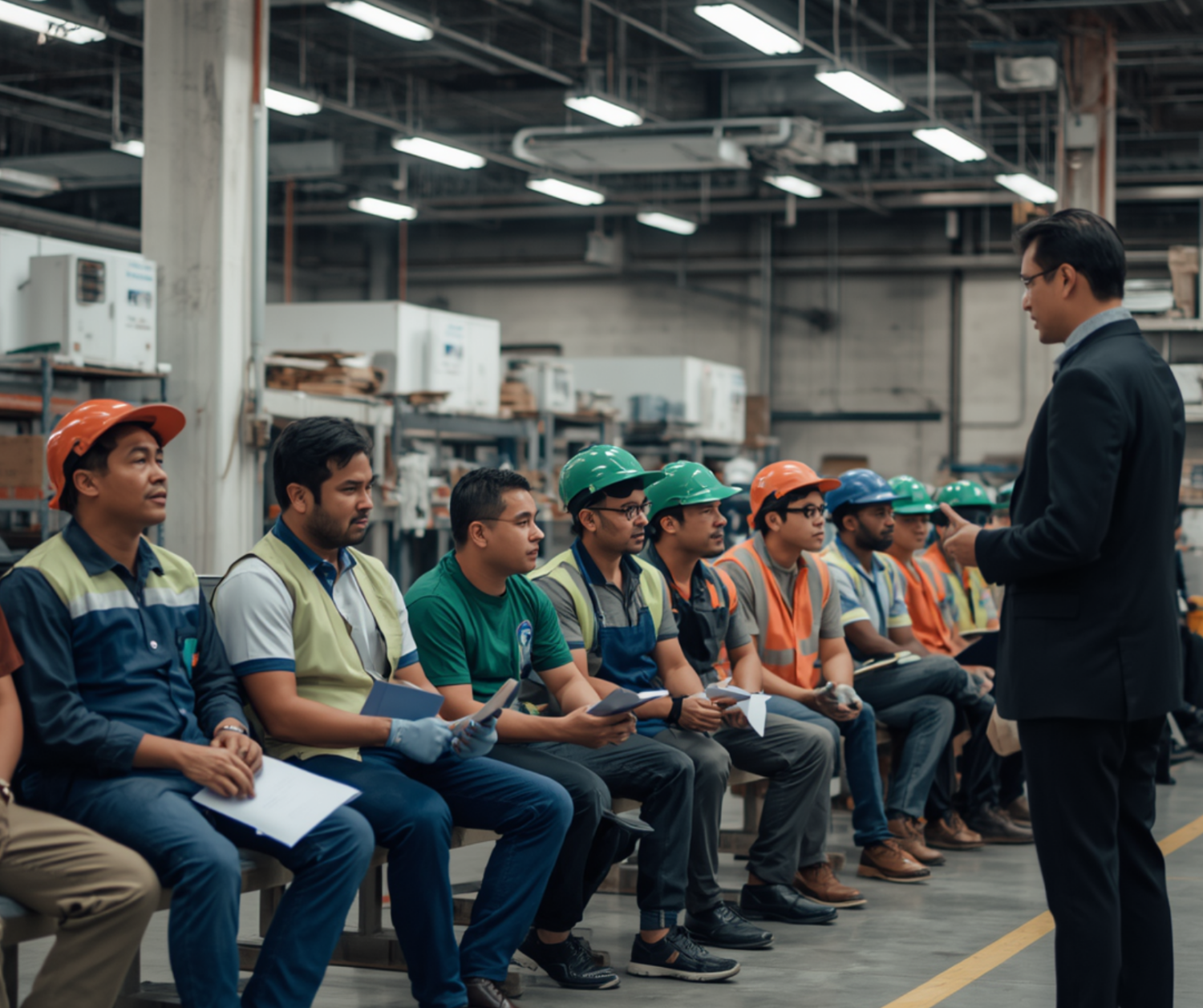

Ethical recruitment and workforce preparation for international workers

Ethical Recruitment: Why It Matters for Employers and Workers

International recruitment has become an essential workforce strategy for many industries. From hospitality and automotive services to skilled trades and technical roles, businesses around the world rely on international talent to help meet labour demands. But with global recruitment comes an important responsibility. Employers must ensure that ethical recruitment practices are transparent, compliant, and fair for both workers and businesses. When recruitment is handled responsibly, it benefits both employers and workers. When it is not, it can create risks for everyone involved. 

The Growing Importance of Ethical Recruitment 

As labour shortages continue across many industries, ethical recruitment and international hiring are increasing. 

Businesses often recruit internationally to fill roles such as: 

  • Welders, pipefitters, and mechanical fitters
  • Technicians, mechanics, and maintenance specialists
  • Engineers, supervisors, and technical professionals
  • Hospitality workers including chefs and service staff 

These roles are essential to keeping industries operating smoothly. However, international recruitment must be managed carefully to ensure workers are treated fairly and employers receive qualified candidates who are ready to contribute to the workplace. According to the International Labour Organization (ILO), ethical recruitment plays an importnat role in protecting wokers and promoting fair labour practices globally. 

What Fair Recruitment Looks Like 

Ethical recruitment focuses on protecting both workers and employers. It ensures that candidates are properly informed about their roles, treated fairly during the recruitment process, and prepared for the workplaces they will join. Some of the key elements of ethical hiring include: 

Transparent hiring practices 

Workers should understand the role, working conditions, and expectations before accepting employment. 

No worker-paid recruitment fees 

Charging recruitment fees to workers can lead to financial hardship and exploitation. Ethical recruitment models avoid this practice. 

Compliance with labour regulations 

Recruitment processes must align with host-country labour laws and international labour standards. 

Proper candidate preparation 

Candidates should be screened, assessed, and prepared before deployment to ensure they are ready for their roles. 

Ethical Recruitment and the Employer-Pays Model 

One of the most important principles in ethical recruitment is the employer-pays model. Under this approach, recruitment costs are covered by employers rather than workers. This ensures that candidates are not burdened with placement fees or financial obligations before starting their jobs. 

Macati Recruitment follows a strict employer-pays recruitment policy as part of its commitment to ethical hiring practices. 

This policy helps ensure workers are treated fairly while providing employers with a transparent recruitment process. 

Why Responsible Hiring Benefits Employers 

While ethical fair hiring practices protects workers, it also offers significant benefits for employers. 

When workers are properly screened and prepared before deployment, businesses often experience: 

  • Higher workforce reliability
  • Faster workplace integration
  • Lower turnover rates
  • Improved compliance with labour regulations 

Employers gain confidence that the workers joining their teams are qualified, prepared, and recruited through compliant processes. 

The Role of Workforce Preparation 

Another important aspect of transparent recruitment is workforce readiness. Successful international placements require more than simply matching candidates with employers. 

Preparation typically involves: 

  • Experience verification and candidate screening
  • Skills validation or trade testing
  • Documentation and compliance checks
  • Training and workplace readiness programs 

These processes help ensure candidates meet employer expectations and regulatory requirements before deployment. 

Building Trust in Global Recruitment 

As international recruitment continues to grow, trust between employers, workers, and recruitment partners becomes increasingly important. Employers want assurance that recruitment processes are compliant and transparent. Workers want to know if they are entering fair and legitimate employment opportunities. By focusing on ethical recruitment practices and structured workforce preparation, recruitment providers can help build that trust while supporting sustainable workforce mobility. 

Learn more about how Macati Recruitment supports ethical international hiring.

Frequently Asked Questions About Ethical Recruitment

1. What is ethical recruitment?

Ethical recruitment refers to hiring practices that protect workers from exploitation and ensure employers receive qualified candidates through transparent and compliant processes.

2. What does the employer-pays recruitment model mean? 

The employer-pays model means employers cover recruitment costs rather than workers being charged placement fees. This helps ensure fair and ethical hiring practices.

3. Why is ethical recruitment important for employers?

Ethical recruitment reduces compliance risks, improves workforce reliability, and helps ensure workers are properly prepared for their roles.

4. How does Macati Recruitment ensure ethical hiring?

Macati Recruitment follows an employer-pays policy, works with licensed partners, and conducts structured candidate screening, skills validation, ethical recruitment and workforce readiness preparation before deployment.

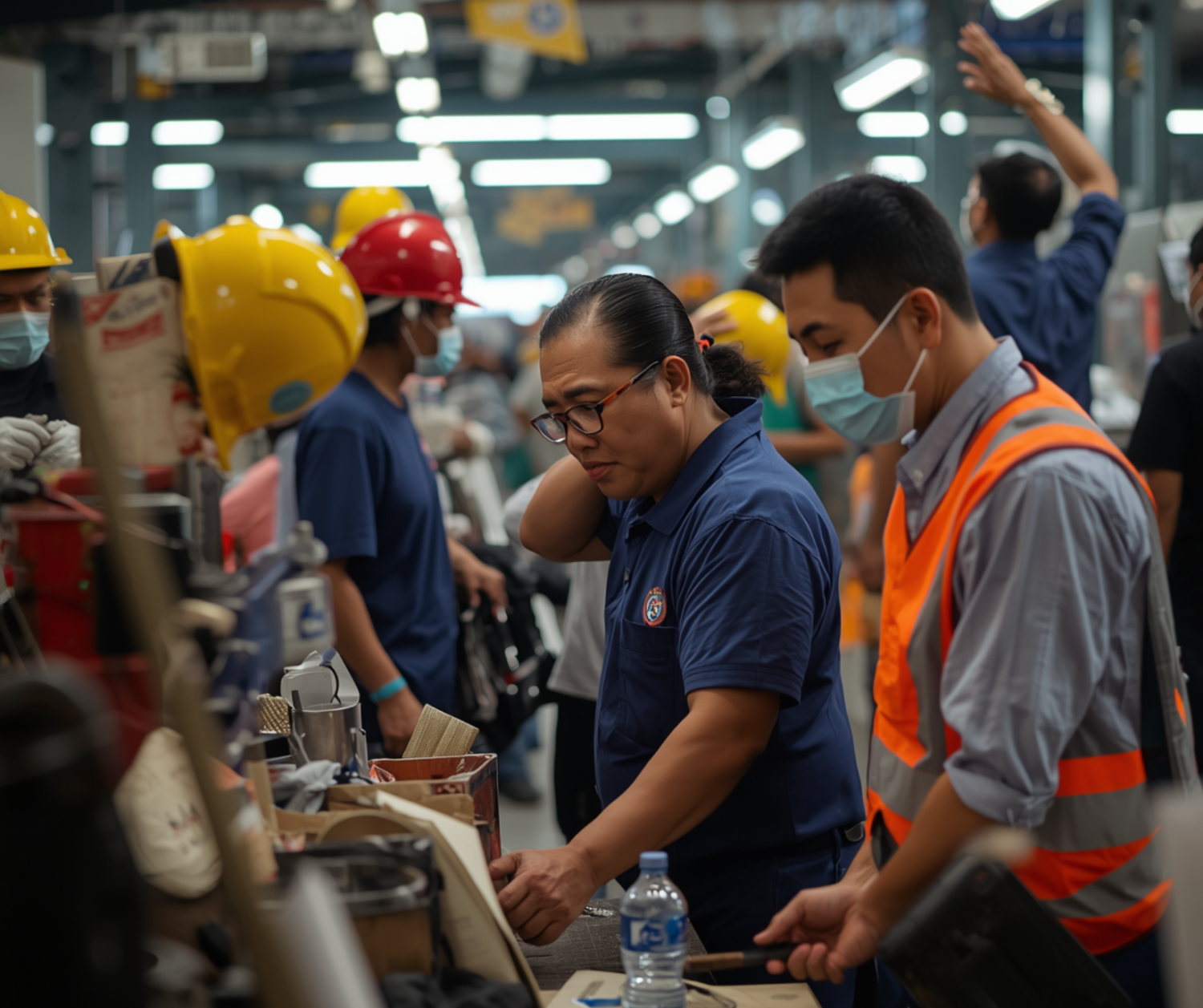
Filipino international workers supporting global industries and skilled workforce sectors

The People Behind Global Industries: Why Skilled International Workers Matter More Than Ever 

Every year on International Workers’ Day, businesses around the world take a moment to recognise the people who keep industries running. From construction sites and workshops to restaurants, hotels, and technical operations, skilled workers play a critical role in keeping businesses moving forward. Yet across many industries today, employers are facing a common challenge. Finding enough skilled workers to meet demand is becoming increasingly difficult. Labour shortages are affecting everything from hospitality operations to large infrastructure projects. For many companies, building a stable workforce has become one of the most important priorities for long-term growth. 

The Global Workforce: A Pillar of Industry 

Many industries are experiencing growing demand for experienced professionals. Roles such as mechanics, welders, technicians, engineers, chefs, and hospitality staff are essential to daily operations across many sectors. 

At the same time, several workforce trends are reshaping labour markets: 

  • Experienced workers retiring from the workforce
  • Fewer new workers entering skilled trades
  • Growing infrastructure and service industry demand
  • Increased competition for qualified professionals 

These factors are creating significant workforce gaps in many countries. According to the International Labour Organization (ILO), labour shortages continue to affect industries worldwide. As a result, businesses are increasingly turning to international recruitment to support their workforce needs. 

The Contribution of International Workers 

International workers have long supported industries around the world. In sectors such as hospitality, construction, manufacturing, and technical services, migrant workers often play an important role in helping businesses maintain operations and deliver services. The Philippines, in particular, has become a major source of skilled professionals across multiple industries. Filipino workers are widely recognised for their technical skills, strong work ethic, and ability to adapt to international work environments. 

Across many countries, Filipino professionals contribute to roles such as: 

Skilled trades and technical positions 

Welders, pipefitters, mechanical fitters, diesel mechanics, and maintenance technicians are commonly deployed to support industrial operations and infrastructure projects. 

Professional and technical roles 

Engineers, planners, QA/QC inspectors, and supervisors provide technical support across engineering and operational environments. 

Hospitality and service roles 

Hotels, restaurants, cruise operators, and tourism businesses often recruit chefs, housekeeping staff, hospitality supervisors, and customer-facing professionals. 

Automotive and manufacturing roles 

Mechanics, auto electricians, technicians, and workshop support staff are essential for vehicle servicing and manufacturing operations. These workers bring valuable skills and experience that support industries around the world. 

The Importance of Ethical Recruitment 

While international recruitment provides opportunities for both employers and workers, it is important that the process is handled ethically and responsibly. Ethical recruitment ensures that workers are treated fairly and that employers receive properly screened and prepared candidates. Macati Recruitment follows an employer-pays recruitment policy, which means candidates are not charged recruitment fees. This approach helps protect workers and promotes fair hiring practices. The organisation also works with licensed partners, training institutions, and assessment centres to ensure candidates are properly assessed and prepared before deployment. 

Preparing Workers for Success 

Successful international recruitment requires more than simply filling a position. Workers need to be properly prepared for their roles and the environments they will be working in. 

Preparation may include: 

  • Candidate screening and experience verification
  • Skills validation and trade testing
  • Documentation and regulatory compliance checks
  • Workforce readiness training 

These steps help ensure candidates are ready to integrate into employer operations and contribute effectively from the start. 

Recognising the People Who Power Global Industries 

International Workers’ Day is an opportunity to recognise the contributions of workers who support industries around the world. From skilled trades and technical professionals to hospitality and service teams, these individuals play a vital role in keeping businesses operating and communities served. As workforce needs continue to evolve, international recruitment will remain an important pathway for connecting skilled professionals with opportunities across the global economy. 

Learn more about how Macati Recruitment supports employers worldwide.

Frequently Asked Questions About International Recruitment

1. What industries does Macati Recruitment support?

Macati Recruitment works with employers across industries including skilled trades, technical professions, hospitality, automotive services, and other operational sectors requiring experienced workers.

2. What types of roles are commonly recruited internationally?

Common roles include welders, mechanics, technicians, engineers, supervisors, chefs, hospitality staff, and customer service professionals.

3. What does the employer-pays recruitment policy mean? 

The employer-pays policy means that workers are not charged recruitment or placement fees. Employers cover recruitment costs, ensuring ethical and transparent hiring practices.

4. How are workers prepared for international employment?

Candidates go through screening, skills validation, and workforce readiness preparation before deployment to ensure they meet employer and regulatory requirements.

International recruitment support for unfilled skilled worker roles

Many businesses start the year expecting hiring to improve. But halfway through the year, some employers begin noticing the same pattern. Roles remain open longer than expected, workloads increase for existing staff, and recruitment becomes more difficult than it used to be, leading many businesses to explore international recruitment support solutions. For industries that rely on skilled labour, this situation can quickly impact productivity and service quality.

In recent years, many organisations have started expanding their international recruitment strategies to address these challenges. As a result, global hiring has become the difference between struggling to maintain operations and having a reliable workforce pipeline. Here are five common signs that your business may benefit from overseas recruitment support.

1. Skilled Roles Stay Open for Months

International recruitment support for unfilled skilled worker rolesOne of the clearest indicators is when positions remain unfilled for extended periods. This is especially common in roles such as welders, mechanics, technicians, chefs, hospitality staff, and other skilled trades. In many cases, employers often advertise repeatedly, only to receive a small number of qualified applicants. When hiring timelines stretch beyond several months, businesses begin to feel the operational impact. International recruitment can expand the candidate pool significantly, allowing employers to access skilled professionals who may not be available locally.

2. Your Existing Team Is Carrying Too Much Work

Workforce shortages causing increased workload for existing staff


When businesses cannot fill roles quickly, existing staff often take on additional responsibilities. Over time, this can lead to fatigue, lower morale, and reduced productivity.

For example:

  • Workshops may delay service schedules due to limited technicians
  • Hospitality teams may operate with reduced staff during busy periods
  • Maintenance teams may struggle to keep up with operational demands

A stable workforce helps prevent burnout and keeps operations running smoothly.

3. You’re Turning Down Work or Delaying Projects

Project delays and labour shortages affecting business operations

For many industries, labour shortages eventually begin affecting revenue. As a result, construction companies may delay project timelines. Hospitality venues may reduce service capacity, while workshops may limit bookings due to staff shortages. These situations can be frustrating for employers who have demand for their services but lack the workforce to support it. Accessing a wider talent pool through international hiring support can help businesses scale their workforce more effectively.

International hiring has become an increasingly important workforce strategy for businesses facing ongoing labour shortages.

4. Your Industry Is Facing Long-Term Skill Shortages

Long-term skilled labour shortages across multiple industries


Many sectors are experiencing structural labour shortages. Skilled trades, hospitality, automotive services, and technical professions are all seeing increasing demand for experienced workers. At the same time, many experienced professionals are approaching retirement while fewer new workers are entering these fields. Because of this, long-term workforce gaps have emerged across many countries. Expanding recruitment beyond local markets allows businesses to access professionals who are already trained and ready to contribute.

5. Why Businesses Use International Recruitment Support

International recruitment support helping businesses build reliable workforces

For many businesses, international recruitment becomes part of a more stable long-term workforce strategy. Rather than relying solely on local hiring, employers build recruitment pipelines that include both domestic and international talent. This approach helps organisations maintain workforce stability even when labour markets fluctuate.

How Macati Recruitment Supports Employers

Macati Recruitment works with international employers to source and deploy skilled professionals from the Philippines across several industries.

These include:

  • Skilled trades and technical roles such as welders, mechanical fitters, diesel mechanics, and technicians
  • Professional roles including engineers, supervisors, and technical specialists
  • Hospitality and service roles such as chefs, housekeeping staff, and customer-facing professionals
  • Automotive and manufacturing positions including mechanics and workshop technicians

The company specialises in ethical recruitment and structured candidate preparation to ensure workers are ready for international employment. In addition, this includes screening, skills validation, documentation coordination, and workforce readiness preparation before deployment.

Why International Recruitment Helps Strengthen Your Workforce

Ultimately, international recruitment has become an important part of maintaining workforce stability. By expanding recruitment strategies and accessing a broader talent pool, businesses can continue to grow while ensuring they have the skilled people needed to support operations.

If your organisation is experiencing ongoing hiring challenges, exploring international recruitment solutions may help provide a practical long-term workforce solution. Learn more about how Macati Recruitment supports employers today.

According to the Australian Government Skills Priority List, many industries continue to experience ongoing skilled labour shortages.

Frequently Asked Questions About International Recruitment

What is international recruitment?

International recruitment is the process of hiring skilled workers from overseas to fill workforce shortages and support business operations.

Why are businesses using international recruitment?

Many businesses use international recruitment to access a wider pool of skilled workers, reduce labour shortages, and improve workforce stability.

Which industries benefit from international recruitment?

Industries such as construction, hospitality, manufacturing, engineering, and automotive services commonly benefit from international recruitment.

Across many industries today, one challenge continues to surface in conversations with employers. Finding reliable, skilled workers is becoming harder. Whether it’s a hospitality business needing experienced chefs, a workshop looking for qualified mechanics, or a construction company searching for skilled trades, many businesses are now turning to global recruitment as a practical solution. 

By expanding hiring beyond local markets, companies can access a wider and more diverse talent pool, by helping them fill critical roles faster and keep operations running smoothly. For many employers, the question is no longer if recruitment is difficult. It’s how to build a more reliable workforce pipeline. 

The Growing Challenge of Skilled Worker Shortages  

Skill shortages are no longer limited to specific locations. They’ve become a widespread issue across multiple industries. Sectors such as construction, hospitality, and technical trades are particularly affected. Employers are finding it increasingly difficult to source candidates with the right qualifications and hands-on experience. 

This often leads to: 

  • Delayed projects  
  • Increased operational costs  
  • Added pressure on existing teams  
  • Missed business opportunities 

For many organisations, the challenge isn’t just hiring; it’s maintaining a consistent and reliable workforce.

Why Global Recruitment Is Gaining Traction 

So why are more businesses expanding their hiring strategies internationally? The answer is simple: access and flexibility.

Global recruitment allows employers to tap into a much broader talent pool, including skilled professionals who are ready and willing to work abroad. It’s not just about filling vacancies. It’s about finding the right people with the right skills. 

In many cases, international hiring also brings: 

  • Strong work ethic and adaptability  
  • Diverse experience and perspectives  
  • Long-term workforce stability  

For businesses struggling to meet demand, this approach can make a significant difference. 

Expanding Your Workforce Through Global Recruitment 

Finding skilled workers locally has become more difficult for many businesses, especially in industries experiencing ongoing labour shortages. Because of this, more companies are starting to explore global recruitment to access a wider pool of qualified and experienced workers. Hiring internationally can help businesses fill important roles faster while also bringing in workers with valuable industry experience and specialised skills. 

Many industries such as construction, engineering, hospitality, and manufacturing have already seen the benefits of sourcing talent from overseas. For businesses that continue to face staffing challenges, looking beyond local hiring is becoming a practical and long-term solution rather than just a temporary option. 

Creating a Strong Global Recruitment Process 

Global recruitment works best when businesses have a clear understanding of the type of candidate they need and the skills required for the role. It’s also important to consider compliance requirements, cultural differences, and communication expectations when hiring internationally. Having a structured recruitment process in place can help avoid delays and make the overall hiring experience smoother for both employers and candidates. 

Working with an experienced recruitment partner can also make the process more manageable. Recruitment agencies can assist with sourcing, screening, documentation, and deployment, helping employers connect with qualified candidates more efficiently while reducing the administrative workload involved in international hiring. 

The Benefits of Building a Diverse Workforce 

Hiring internationally does more than solve workforce shortages. Bringing in employees from different backgrounds and experiences can strengthen teams by introducing new ideas, different perspectives, and fresh approaches to problem-solving. A diverse workforce can also improve collaboration and help businesses adapt more effectively in a competitive market. 

While there can be challenges such as language differences, cultural adjustments, and time zone coordination, these are usually manageable with proper onboarding, clear communication, and workplace support. Businesses that invest in creating an inclusive and supportive environment are often able to build stronger teams and achieve better long-term results.

Businesses facing ongoing workforce shortages may benefit from exploring international hiring solutions as part of their long-term strategy. With the right recruitment process and support, global hiring can provide access to skilled, reliable workers across a range of industries.

Learn more about how Macati Recruitment can support your hiring needs and contact our team today.

How a Construction Recruitment Agency Can Help You Overcome Skill Shortages with Offshore Talent

Recruiting offshore talent can be a game-changer for companies in industries plagued by skill shortages. By partnering with a construction recruitment agency, businesses can save thousands in salaries while attracting top-tier professionals. The Philippines, in particular, stands out as a prime location for sourcing talent in the construction and engineering sectors. This article will explore why offshore recruitment is a strategic move and how it can benefit your company.

The Financial Benefits of Partnering with a Construction Recruitment Agency

When it comes to managing costs, offshore recruitment offers significant financial advantages. By hiring skilled professionals from countries like the Philippines, companies can reduce salary expenses without compromising on quality. The cost of living in the Philippines is lower compared to Western countries, which translates into competitive salary expectations from Filipino professionals. This allows businesses to allocate resources more efficiently, investing in other critical areas of growth.

Moreover, offshore recruitment can help companies avoid the high costs associated with local hiring processes, such as advertising, interviewing, and onboarding. By partnering with a reputable construction recruitment agency, businesses can streamline their hiring process, saving both time and money.

Access to a Pool of Skilled Professionals

The Philippines is renowned for its highly skilled workforce, particularly in the construction and engineering sectors. The country produces thousands of graduates every year from top universities, many of whom are eager to work for international companies. By recruiting from this talent pool, businesses can access a diverse range of skills and expertise that may be scarce in their local markets.

Filipino professionals are known for their strong work ethic, adaptability, and proficiency in English, making them an ideal fit for global companies. By leveraging the expertise of a construction recruitment agency, businesses can tap into this talent pool and find the right candidates to meet their specific needs.

Overcoming Skill Shortages with Offshore Talent

Industries facing skill shortages often struggle to find qualified candidates locally. This is especially true in the construction and engineering sectors, where demand for skilled professionals often outpaces supply. Offshore recruitment provides a viable solution to this problem, allowing companies to fill critical roles with highly qualified individuals from abroad.

By expanding their search beyond local borders, businesses can overcome skill shortages and ensure they have the talent needed to drive their projects forward. A construction recruitment agency can assist in navigating the complexities of international hiring, ensuring a seamless integration of offshore talent into your workforce.

The Philippines: A Top Destination for Construction Talent

The Philippines has established itself as a leading destination for recruiting construction and engineering talent. The country’s education system emphasizes technical skills and practical experience, producing graduates who are well-prepared for the demands of the industry. Additionally, the Philippine government has implemented policies to support the growth of its workforce, making it easier for international companies to hire Filipino professionals.

By choosing the Philippines as a recruitment destination, businesses can benefit from a steady supply of skilled workers who are ready to contribute to their success. A construction recruitment agency with expertise in the region can help identify and attract the best candidates, ensuring a successful offshore hiring strategy.

Ensuring a Successful Offshore Recruitment Strategy

To maximize the benefits of offshore recruitment, it’s essential to partner with a construction recruitment agency that understands the nuances of international hiring. Such agencies have the expertise and resources to identify top talent, manage the recruitment process, and ensure a smooth transition for new hires.

Working with a recruitment agency also provides access to valuable insights and industry-specific knowledge, helping businesses make informed decisions about their hiring strategies. By leveraging the expertise of a trusted partner, companies can confidently navigate the challenges of offshore recruitment and build a strong, capable workforce.

Ready to take your recruitment strategy to the next level? Explore how Macati Recruitment can help you attract top offshore talent and save costs.