Why International Workers Matter More Than Ever

The People Behind Global Industries: Why Skilled International Workers Matter More Than Ever
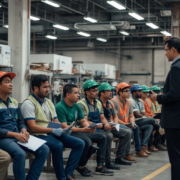
Every year on International Workers’ Day, businesses around the world take a moment to recognise the people who keep industries running. From construction sites and workshops to restaurants, hotels, and technical operations, skilled workers play a critical role in keeping businesses moving forward. Yet across many industries today, employers are facing a common challenge. Finding enough skilled workers to meet demand is becoming increasingly difficult. Labour shortages are affecting everything from hospitality operations to large infrastructure projects. For many companies, building a stable workforce has become one of the most important priorities for long-term growth.
The Global Workforce: A Pillar of Industry
Many industries are experiencing growing demand for experienced professionals. Roles such as mechanics, welders, technicians, engineers, chefs, and hospitality staff are essential to daily operations across many sectors.
At the same time, several workforce trends are reshaping labour markets:
- Experienced workers retiring from the workforce
- Fewer new workers entering skilled trades
- Growing infrastructure and service industry demand
- Increased competition for qualified professionals
These factors are creating significant workforce gaps in many countries. According to the International Labour Organization (ILO), labour shortages continue to affect industries worldwide. As a result, businesses are increasingly turning to international recruitment to support their workforce needs.
The Contribution of International Workers
International workers have long supported industries around the world. In sectors such as hospitality, construction, manufacturing, and technical services, migrant workers often play an important role in helping businesses maintain operations and deliver services. The Philippines, in particular, has become a major source of skilled professionals across multiple industries. Filipino workers are widely recognised for their technical skills, strong work ethic, and ability to adapt to international work environments.
Across many countries, Filipino professionals contribute to roles such as:
Skilled trades and technical positions
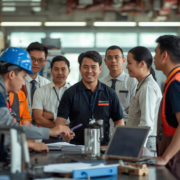
Welders, pipefitters, mechanical fitters, diesel mechanics, and maintenance technicians are commonly deployed to support industrial operations and infrastructure projects.
Professional and technical roles
Engineers, planners, QA/QC inspectors, and supervisors provide technical support across engineering and operational environments.
Hospitality and service roles
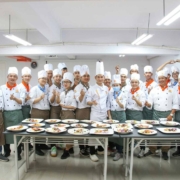
Hotels, restaurants, cruise operators, and tourism businesses often recruit chefs, housekeeping staff, hospitality supervisors, and customer-facing professionals.
Automotive and manufacturing roles
Mechanics, auto electricians, technicians, and workshop support staff are essential for vehicle servicing and manufacturing operations. These workers bring valuable skills and experience that support industries around the world.
The Importance of Ethical Recruitment
While international recruitment provides opportunities for both employers and workers, it is important that the process is handled ethically and responsibly. Ethical recruitment ensures that workers are treated fairly and that employers receive properly screened and prepared candidates. Macati Recruitment follows an employer-pays recruitment policy, which means candidates are not charged recruitment fees. This approach helps protect workers and promotes fair hiring practices. The organisation also works with licensed partners, training institutions, and assessment centres to ensure candidates are properly assessed and prepared before deployment.
Preparing Workers for Success
Successful international recruitment requires more than simply filling a position. Workers need to be properly prepared for their roles and the environments they will be working in.
Preparation may include:
- Candidate screening and experience verification
- Skills validation and trade testing
- Documentation and regulatory compliance checks
- Workforce readiness training
These steps help ensure candidates are ready to integrate into employer operations and contribute effectively from the start.
Recognising the People Who Power Global Industries
International Workers’ Day is an opportunity to recognise the contributions of workers who support industries around the world. From skilled trades and technical professionals to hospitality and service teams, these individuals play a vital role in keeping businesses operating and communities served. As workforce needs continue to evolve, international recruitment will remain an important pathway for connecting skilled professionals with opportunities across the global economy.
Learn more about how Macati Recruitment supports employers worldwide.
Frequently Asked Questions About International Recruitment
1. What industries does Macati Recruitment support?
Macati Recruitment works with employers across industries including skilled trades, technical professions, hospitality, automotive services, and other operational sectors requiring experienced workers.
2. What types of roles are commonly recruited internationally?
Common roles include welders, mechanics, technicians, engineers, supervisors, chefs, hospitality staff, and customer service professionals.
3. What does the employer-pays recruitment policy mean?
The employer-pays policy means that workers are not charged recruitment or placement fees. Employers cover recruitment costs, ensuring ethical and transparent hiring practices.
4. How are workers prepared for international employment?
Candidates go through screening, skills validation, and workforce readiness preparation before deployment to ensure they meet employer and regulatory requirements.


 Macati